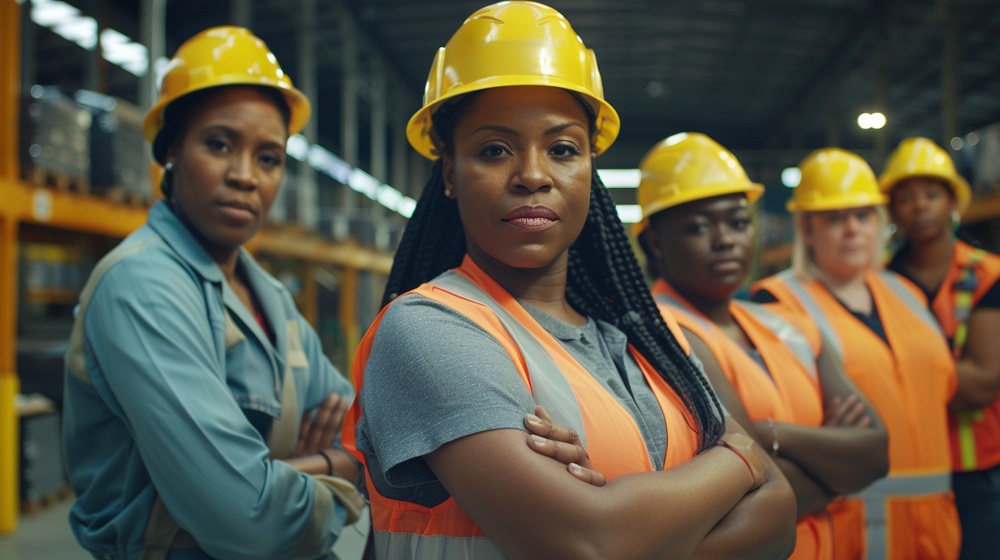
1. Comprehensive Safety Training
Providing comprehensive safety training to all workers is the foundation of a safe construction site. Training programs should cover:
- Hazard Recognition: Teaching workers to identify potential hazards and risks in their work environment.
- Proper Use of Equipment: Instructing workers on the correct use and maintenance of tools and machinery.
- Emergency Procedures: Ensuring workers know how to respond to emergencies, including first aid, evacuation routes, and emergency contact information.
- Personal Protective Equipment (PPE): Training on the proper use, care, and limitations of PPE such as helmets, gloves, safety glasses, and fall protection gear.
Safety Training Tip: Regular refresher courses help maintain safety awareness and adapt to new safety protocols.
2. Use of Personal Protective Equipment (PPE)
Personal Protective Equipment (PPE) is essential for protecting workers from injuries and accidents. Key PPE includes:
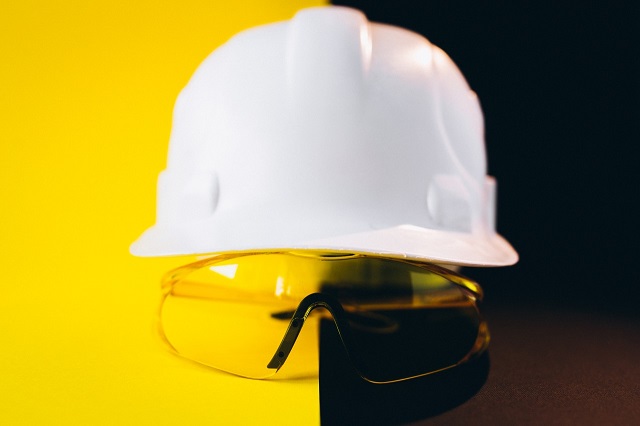
- Hard Hats: To protect against head injuries from falling objects or bumps.
- Safety Glasses and Face Shields: To guard against eye injuries from flying debris, chemicals, and sparks.
- Hearing Protection: Earplugs or earmuffs to protect against hearing damage from loud machinery.
- Gloves: To protect hands from cuts, abrasions, and chemical exposure.
- Safety Footwear: Boots with reinforced toes and slip-resistant soles to prevent foot injuries.
- High-Visibility Clothing: Vests or jackets that make workers more visible to operators of machinery and vehicles.
3. Fall Protection
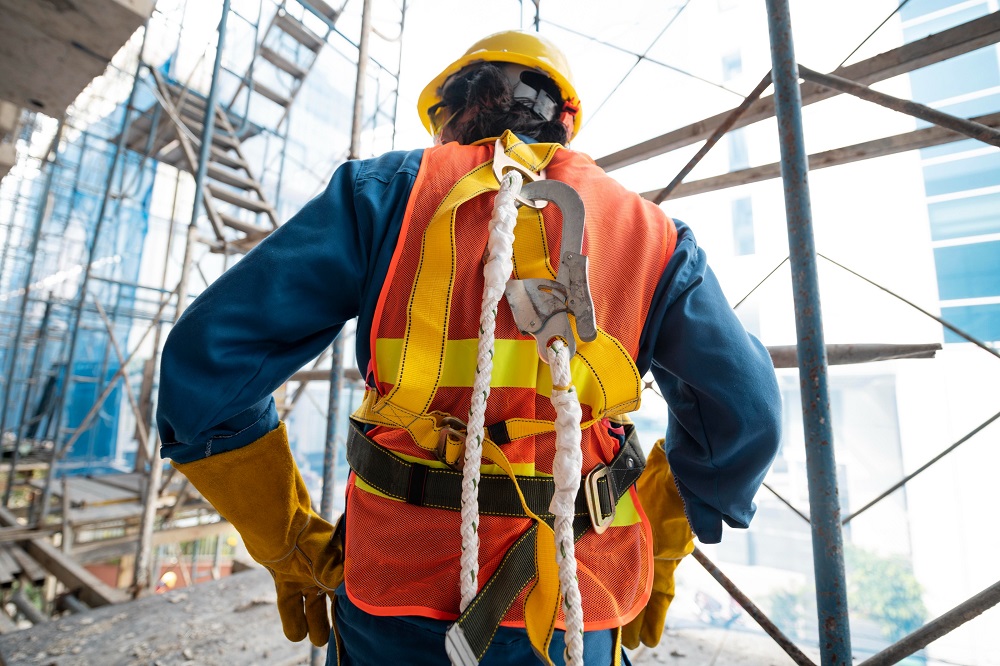
Falls are one of the leading causes of injuries and fatalities in construction. Implementing fall protection measures is crucial:
- Guardrails: Installing guardrails around open edges and elevated platforms.
- Safety Nets: Using safety nets to catch workers if they fall from heights.
- Personal Fall Arrest Systems (PFAS): Providing harnesses and lanyards that secure workers to anchor points.
- Scaffolding Safety: Ensuring scaffolds are properly erected, stable, and inspected regularly.
4. Site Safety Inspections and Audits
Regular safety inspections and audits help identify and mitigate potential hazards:
- Daily Inspections: Conducting daily walk-throughs to check for unsafe conditions and ensure compliance with safety protocols.
- Safety Audits: Performing comprehensive safety audits to assess the effectiveness of safety programs and identify areas for improvement.
- Equipment Inspections: Regularly inspecting tools, machinery, and PPE to ensure they are in good working condition.
5. Safe Machinery and Equipment Operation
Proper operation and maintenance of machinery and equipment are critical for preventing accidents:
- Operator Training: Ensuring that only trained and authorized personnel operate heavy machinery.
- Machine Guarding: Installing guards on machinery to prevent accidental contact with moving parts.
- Lockout/Tagout Procedures: Implementing procedures to ensure machinery is properly shut down and secured before maintenance or repair work begins.
6. Health and Wellness Programs
Promoting the health and wellness of workers contributes to a safer work environment:
- Ergonomics: Implementing ergonomic practices to reduce strain and injury from repetitive motions and heavy lifting.
- Hydration and Breaks: Encouraging regular breaks and providing access to water to prevent dehydration and fatigue.
- Mental Health Support: Offering resources and support for mental health to help workers manage stress and maintain focus on safety.
7. Communication and Reporting
Effective communication and reporting systems are essential for maintaining safety:
- Safety Meetings: Holding regular safety meetings to discuss hazards, safety practices, and incident reports.
- Hazard Reporting: Encouraging workers to report unsafe conditions or near-misses without fear of reprisal.
- Clear Signage: Using clear and visible signs to indicate hazards, emergency exits, and safety protocols.
8. Emergency Preparedness
Being prepared for emergencies can save lives:
- Emergency Action Plans: Developing and implementing emergency action plans that outline procedures for various scenarios, such as fires, severe weather, and medical emergencies.
- First Aid Kits and Training: Ensuring that first aid kits are readily available and that workers are trained in basic first aid procedures.
- Evacuation Drills: Conducting regular evacuation drills to ensure workers know how to exit the site safely and efficiently.
Conclusion
The importance of safety in construction cannot be overstated. By implementing comprehensive safety training, providing appropriate PPE, ensuring proper fall protection, conducting regular site inspections, promoting health and wellness, maintaining clear communication, and preparing for emergencies, construction companies can protect their workers and create a safer work environment.
Prioritizing safety not only reduces the risk of accidents and injuries but also fosters a culture of care and responsibility that benefits everyone involved in the construction process.